
Walk into any functional fitness gym, and you will likely see a mix of athletes sitting in infrared saunas or plunging into ice baths. Temperature therapy has become a cornerstone of modern athletic recovery, but despite its popularity, many athletes are still guessing when to use which method.
Applying the wrong temperature at the wrong time isn't just ineffective—it can actually sabotage your training goals. Blasting an inflamed joint with heat can make swelling worse, while icing a muscle immediately after a heavy hypertrophy lifting session can actually blunt the body's natural muscle-building response.
To get the most out of your recovery routine, you need to stop guessing and start understanding the basic physiology of temperature manipulation. Here is the definitive guide on exactly when to use heat, when to use cold, and how to combine them to maximize your performance.

Heat Therapy: The Ultimate Tissue Preparation (Vasodilation)
Heat therapy is primarily a preparation and mobilization tool. When you apply heat to the body, it acts as a vasodilator. This means it expands your blood vessels, rapidly increasing local blood flow and pulling oxygen and nutrients into the muscle tissue.
Heat also temporarily changes the viscosity of your fascia (the connective tissue surrounding your muscles), making it more pliable and elastic.
When to use Heat:
-
Pre-Workout Activation: Applying targeted heat to chronically stiff areas (like the calves, hip flexors, or lower back) for 5–10 minutes before training increases joint range of motion and helps you achieve proper biomechanics right out of the gate.
-
During Mobility Routines: Stretching cold tissue is like trying to stretch a frozen rubber band. Using heat before or during your mobility work allows for deeper, safer stretching.
-
For Chronic, Lingering Stiffness: If you have a stiff neck or a tight lower back that has been nagging you for days, heat is your best friend. It overrides pain signals and relaxes muscle spasms.
Pro Tip: Never use heat on an acute injury (like a fresh ankle sprain or a torn muscle). Heat increases blood flow, which will only drive more swelling into an area that is already inflamed.

Cold Therapy: The Inflammation Crusher (Vasoconstriction)
If heat is the accelerator for blood flow, cold therapy is the brakes. When exposed to cold temperatures, your body undergoes vasoconstriction. Your blood vessels narrow, pushing blood away from the extremities and toward your core.
When the cold is removed, oxygen-rich blood rushes back into the muscles, effectively flushing out the lactic acid and metabolic waste you accumulated during your workout. Cold also slows nerve conduction velocity, which acts as a powerful, localized painkiller.
When to use Cold:
-
Immediately After High-Intensity Conditioning: Following a brutal HYROX simulation, long run, or high-volume CrossFit metcon, cold therapy is unmatched for reducing acute inflammation and numbing Delayed Onset Muscle Soreness (DOMS).
-
Managing Joint Pain: If your knees are barking after heavy sled pushes or your elbows are inflamed from high-volume pull-ups, localized cold therapy helps calm the irritated connective tissue.
-
Late-Night CNS Calming: A brief cold exposure protocol can help drop your core body temperature, signaling to your brain that it is time to sleep, which is critical for athletes training late in the evening.
The Hypertrophy Warning: If your primary goal for a specific workout is building muscle mass (hypertrophy), avoid cold water immersion immediately afterward. The acute inflammation caused by lifting heavy weights is actually the signal your body uses to build new muscle. Icing the muscle right away blunts that signal.
The Modern Approach: Contrast Therapy
You don't have to choose just one. The most advanced recovery protocols involve contrast therapy—rapidly alternating between heat and cold.
By switching between vasodilation (expanding) and vasoconstriction (contracting), you essentially create a "pumping" mechanism within your circulatory system. This rapid flushing of the tissue clears metabolic waste faster than passive resting ever could.
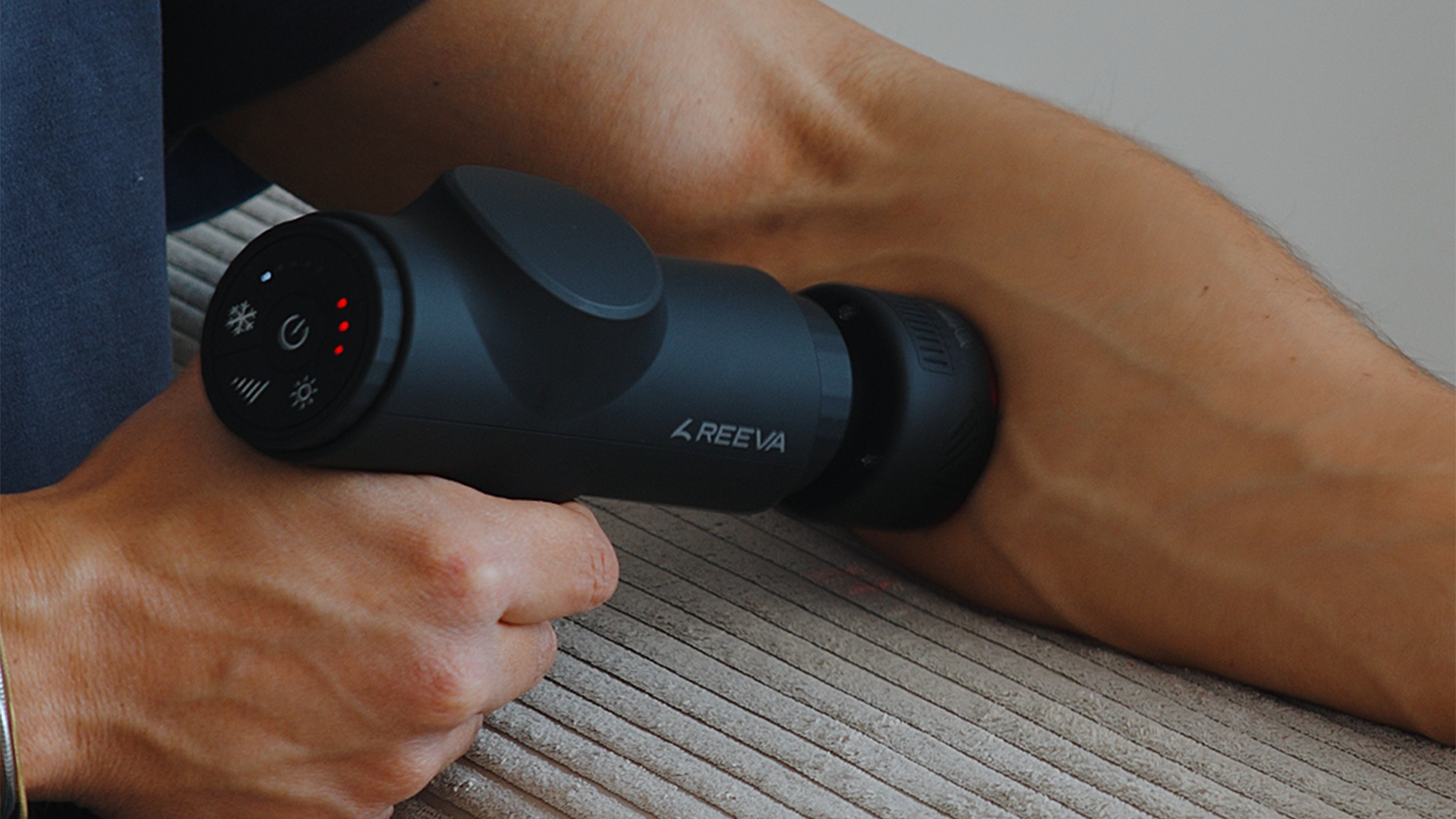
Historically, this required jumping back and forth between a sauna and an ice bath. Today, athletes are leveraging advanced percussive therapy devices with interchangeable thermal heads, allowing them to apply targeted heat to loosen a tight IT band, and immediately switch to a cold head to treat an inflamed knee joint.
The Bottom Line
A simple rule of thumb for your training bag: Heat to prepare, Cold to repair.
As training frequency increases, your margin for error decreases. By treating temperature therapy as a tactical tool rather than a random guess, you can actively reduce your downtime, move better during your sessions, and consistently out-recover the competition.