
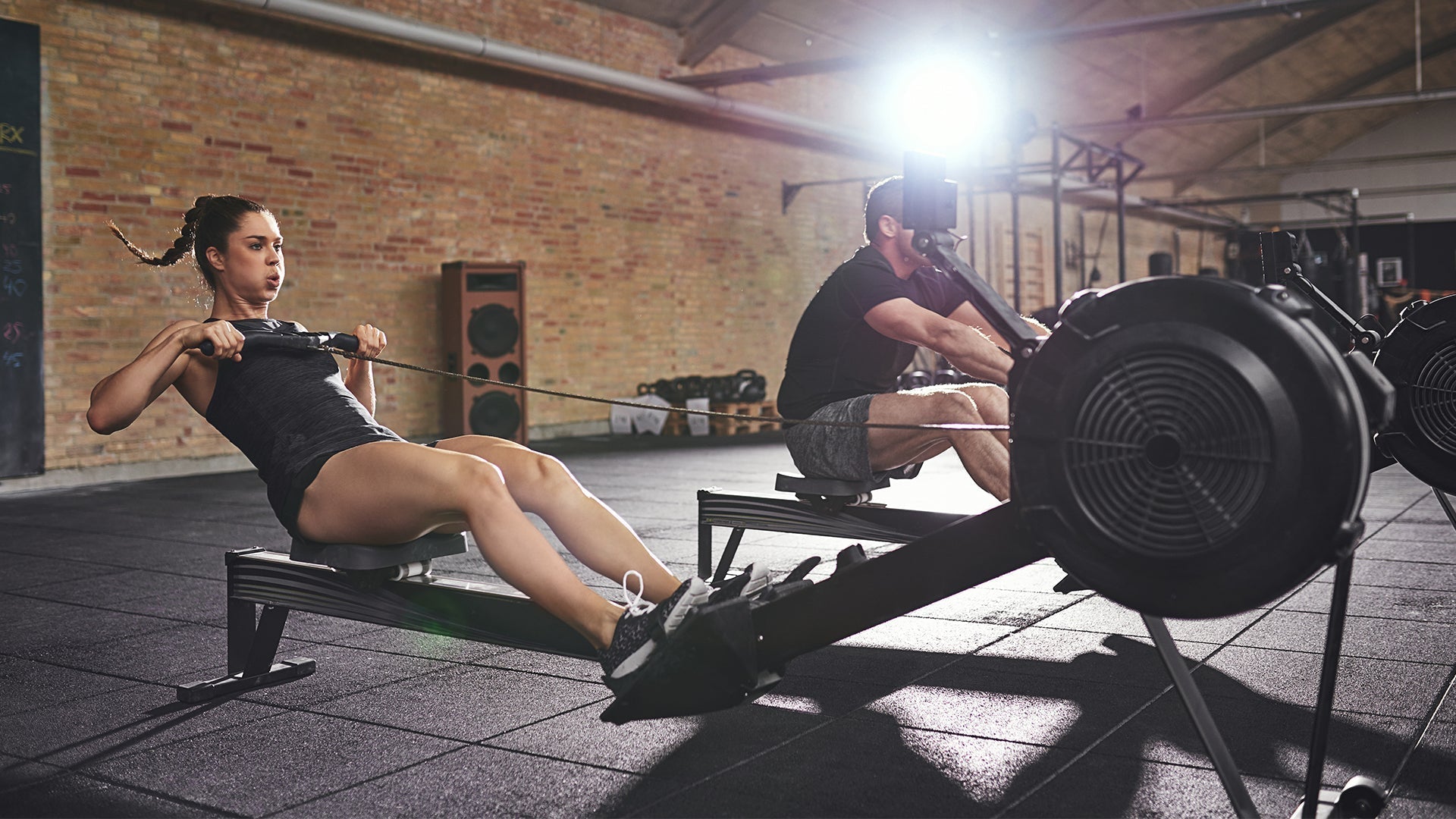
Anyone who has ever pushed a heavy sled across a friction-heavy carpet track knows the unique, full-body wrecking ball that is HYROX. It is a relentless hybrid of high heart-rate intervals, heavy lower-body loading, and compromised running.
While most athletes obsess over their split times and training volume, the real differentiator for competitive racers happens between sessions. You can only train as hard as you can recover. If you are constantly stepping up to the SkiErg with stiff shoulders and "cement legs," your performance will plateau.
Here is why HYROX demands a completely different approach to recovery, and how top-tier athletes are structuring their routines to stay consistent.
Why HYROX Creates So Much Muscle Fatigue
Traditional gym training usually isolates specific energy systems. You either lift heavy (strength) or you run (cardio). HYROX forces your body to do both simultaneously, leading to intense central nervous system (CNS) fatigue and widespread muscle damage.
Understanding the specific toll of the race is the first step to recovering from it:
-
Extreme Eccentric & Concentric Loading: Stations like the Sled Push, Sled Pull, and Walking Lunges demand massive force from your lower back, glutes, and calves. This creates intense micro-tears in the muscle tissue, leading to Delayed Onset Muscle Soreness (DOMS).
-
Metabolic Waste Accumulation: Transitioning directly from the RowErg to a 1km run floods your legs with lactic acid and hydrogen ions. If this metabolic waste isn't flushed out, it leads to lingering stiffness and heavy legs for days afterward.
-
Compromised Movement Mechanics: Doing 100 Wall Balls after 7 kilometers of running forces your body to recruit secondary muscles to compensate for exhausted primary movers. This compensation often leads to localized tension, particularly in the lower back and shoulders.

Active Recovery: The Non-Negotiable Training Variable
Sitting on the couch on your rest day isn't recovery; it's just resting. For HYROX athletes, true recovery is an active, structured protocol. The goal isn't just to feel less sore—it is to restore tissue elasticity, clear waste products, and improve movement quality before your next session.
Performance coaches and athletes are increasingly building specific recovery modalities into their daily routines. Here is what the modern HYROX recovery toolkit looks like:
1. Percussion Therapy for Localized Stiffness
Massage guns have become a staple in functional fitness gyms for a reason. During heavy training blocks, fascia (the connective tissue surrounding your muscles) can become tight and restricted.
Percussion therapy helps athletes quickly target the specific areas that take a beating during HYROX:
-
Pre-Workout (Activation): Sweeping a massage gun over the calves, quads, and lats for 30–60 seconds before a session increases local blood flow and wakes up the central nervous system without fatiguing the muscle.
-
Post-Workout (Release): Spending targeted time on the hip flexors, hamstrings, and lower back after a heavy sled or lunge session helps break up fascial adhesions and reduces the severity of stiffness the next morning.
2. Contrast Therapy: Heat vs. Cold
One of the biggest shifts in modern recovery is understanding when to use temperature therapy. Blasting your body with ice at the wrong time can actually blunt muscle growth, so timing is everything.
-
When to use Heat: Heat therapy is a pre-training or rest-day tool. It acts as a vasodilator, opening up blood vessels to increase circulation. Using a sauna or a heated wrap helps loosen notoriously tight areas—like the calves and lower back—making your mobility work significantly more effective.
-
When to use Cold: Cold therapy is best used immediately after highly intense, CNS-draining sessions (like a full HYROX simulation). It acts as a vasoconstrictor, flushing out waste products and dramatically reducing acute inflammation and pain, allowing you to get a better night's sleep.

Consistency Equals Performance
As the sport of HYROX grows, the athletes progressing the fastest are not necessarily the ones doing the most volume—they are the ones recovering the smartest.
Treat your recovery protocols with the same seriousness as your interval pacing. Whether you are dedicating 15 minutes to percussion therapy after your long run or using heat to open up your hips before wall balls, a structured recovery routine is the ultimate competitive advantage.